

For decades, Cambodia’s global tourism identity has been closely associated with Angkor Wat, one of the world’s most recognizable cultural landmarks. While the ancient temple complex continues to attract millions of visitors annually, a quieter transformation is taking place across the country’s tourism sector. Increasingly, Cambodia is positioning itself not merely as a destination for heritage tourism, but as a market capable of delivering high-end hospitality, authentic cultural experiences, and sustainable travel offerings.
This evolution is particularly visible in Siem Reap and Phnom Penh, two cities that illustrate the country’s broader economic and tourism development strategy.
Siem Reap’s Transition from Temple Gateway to Lifestyle Destination
Siem Reap’s international reputation has long been tied to its role as the gateway to Angkor. Yet the city’s development trajectory suggests a growing effort to encourage longer visitor stays and diversify tourism spending beyond temple visits.
Unlike many rapidly urbanizing destinations in Southeast Asia, Siem Reap has maintained strict development controls designed to preserve the cultural landscape surrounding Angkor. Height restrictions and careful urban planning have prevented the proliferation of high-rise developments that have transformed tourism hubs elsewhere in the region.
The result is a destination that retains a distinctive sense of place while gradually expanding its hospitality infrastructure.
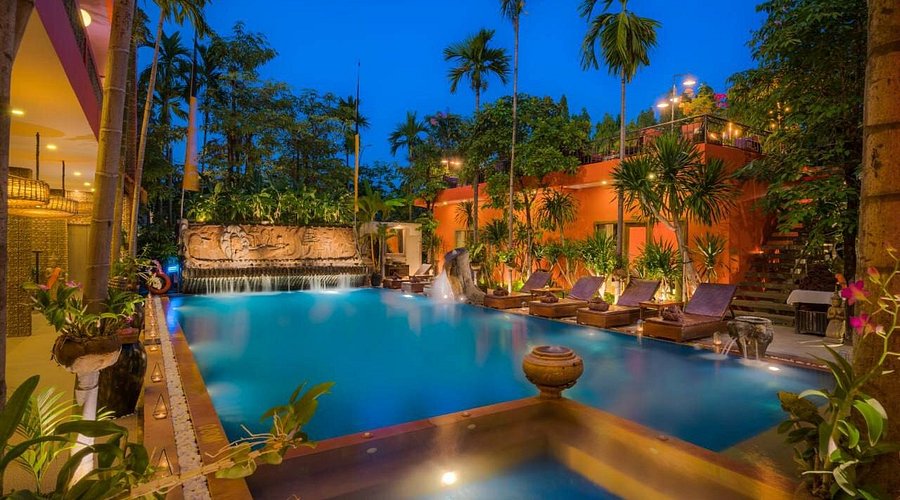
Luxury properties operating in the city increasingly reflect this approach. Rather than competing through scale or extravagance alone, many resorts are integrating Khmer architectural influences, local cultural programming, and sustainability initiatives into their guest experiences. This strategy aligns with a broader shift in global tourism demand, where travelers are increasingly seeking authenticity, cultural immersion, and environmental responsibility alongside traditional luxury.
Sustainability Becomes a Competitive Advantage
Cambodia’s hospitality industry is also beginning to recognize sustainability as a commercial differentiator rather than simply a corporate responsibility exercise.
Several premium resorts have introduced farm-to-table concepts, rooftop gardens, waste reduction programs, and partnerships with local agricultural producers. Such initiatives serve multiple purposes: reducing environmental impact, supporting local supply chains, and enhancing the authenticity of the visitor experience.
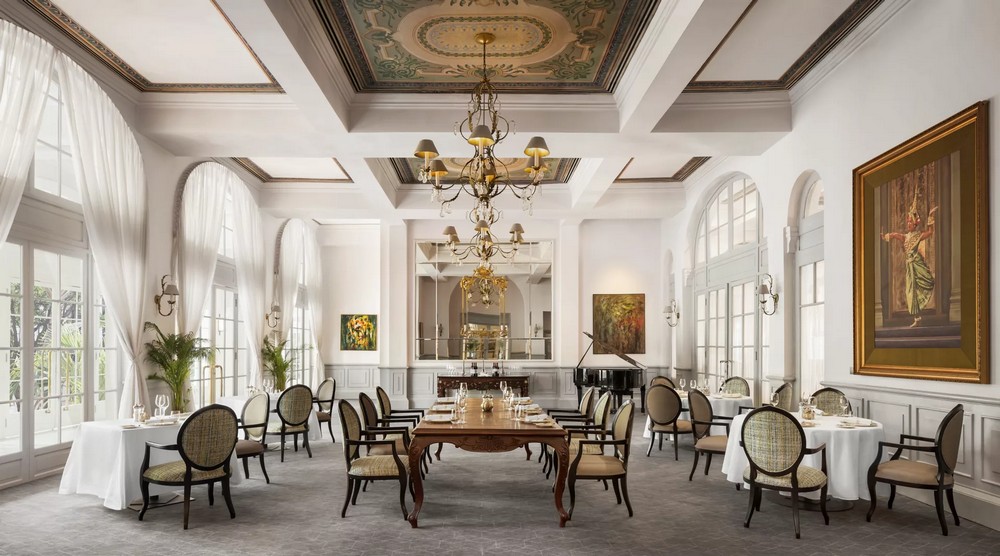
For international travelers, particularly those from Europe and North America, sustainability credentials are becoming an increasingly important factor in destination selection. As regional competition intensifies among Southeast Asian tourism markets, Cambodia’s ability to position itself as a more responsible and culturally connected destination may provide a meaningful advantage.
Cultural Authenticity Remains Cambodia’s Strongest Asset
Perhaps Cambodia’s greatest competitive strength lies in its ability to offer experiences that feel genuinely connected to local traditions.
While neighboring tourism markets have become increasingly commercialized, Cambodia continues to benefit from a perception of authenticity. Traditional Khmer dance performances, artisan-produced textiles, local culinary traditions, and community-based tourism initiatives remain central to the visitor experience.
Importantly, these cultural elements are not simply entertainment products. They represent a growing segment of Cambodia’s creative economy, supporting local employment while helping preserve cultural heritage.
This approach aligns with global tourism trends that increasingly favor experiential travel over conventional sightseeing. Travelers are seeking meaningful interactions with local communities and cultures, creating opportunities for destinations that can deliver experiences difficult to replicate elsewhere.

Phnom Penh’s Emerging Role
While Siem Reap remains the country’s tourism centerpiece, Phnom Penh is emerging as a complementary destination that reflects Cambodia’s economic modernization.
The capital offers a different perspective on the country’s development story. Riverside districts, expanding dining scenes, growing creative industries, and improving urban infrastructure are helping transform Phnom Penh into a destination that appeals not only to tourists but also to business travelers, entrepreneurs, and investors.
This evolution mirrors broader economic trends. As Cambodia continues to attract foreign direct investment, improve connectivity, and expand its middle class, Phnom Penh’s hospitality and lifestyle sectors are likely to benefit from increasing domestic and international demand.
A Tourism Market with Room for Growth
Compared with established regional tourism powerhouses such as Thailand and Vietnam, Cambodia remains significantly underpenetrated. While this presents challenges, it also creates opportunities.
Lower levels of tourism saturation allow Cambodia to preserve many of the qualities that modern travelers increasingly value: authenticity, cultural depth, and a slower pace of exploration. At the same time, ongoing investments in infrastructure, airports, hospitality assets, and urban development are improving the country’s capacity to accommodate future growth.
The key question for Cambodia is whether it can scale its tourism industry while preserving the cultural and environmental assets that differentiate it from regional competitors.
Early signs suggest that many stakeholders within the tourism and hospitality sectors understand this balance. If managed successfully, Cambodia’s future may be defined not only by the enduring appeal of Angkor Wat, but by its ability to offer a broader and more sustainable travel experience that extends far beyond its most famous landmark.