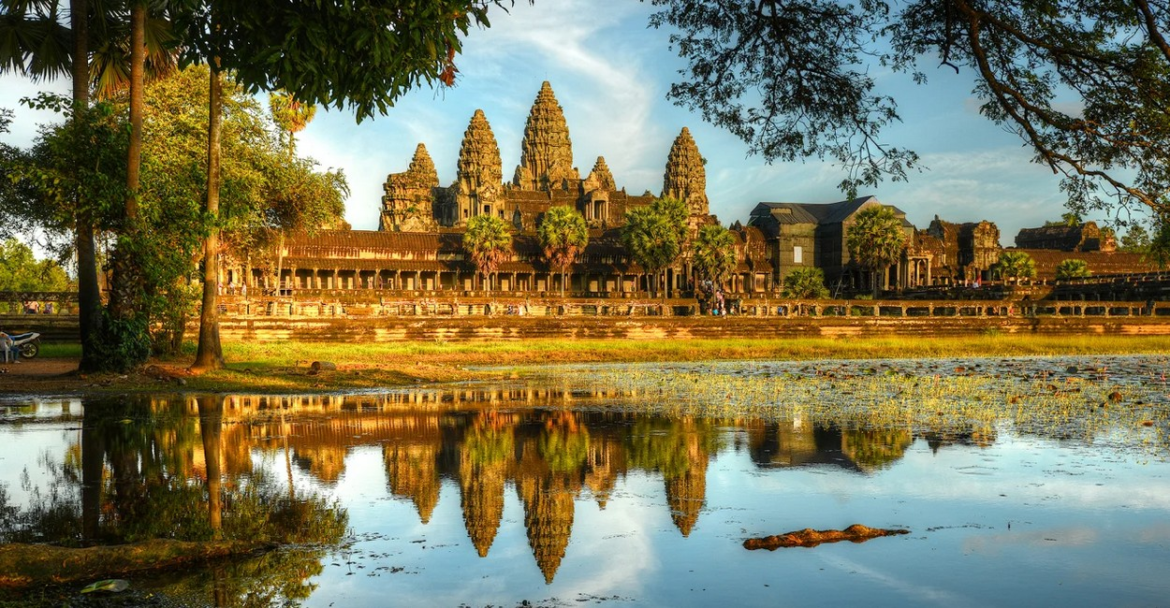
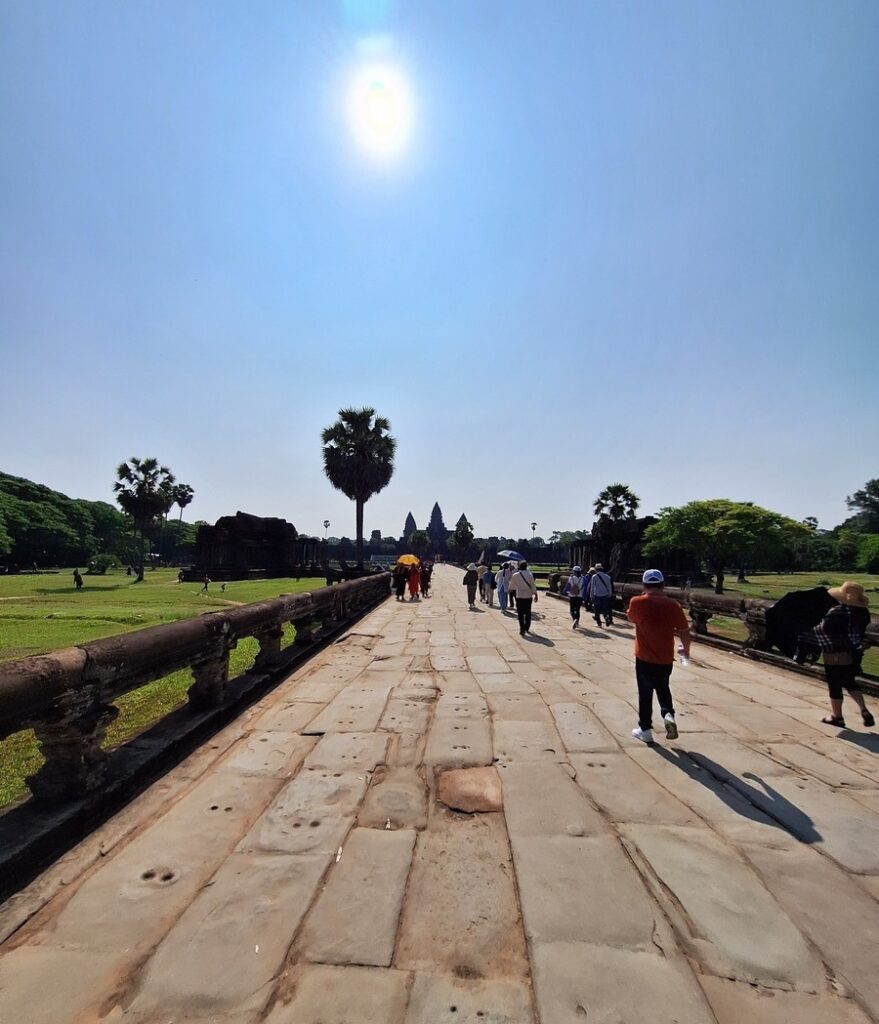
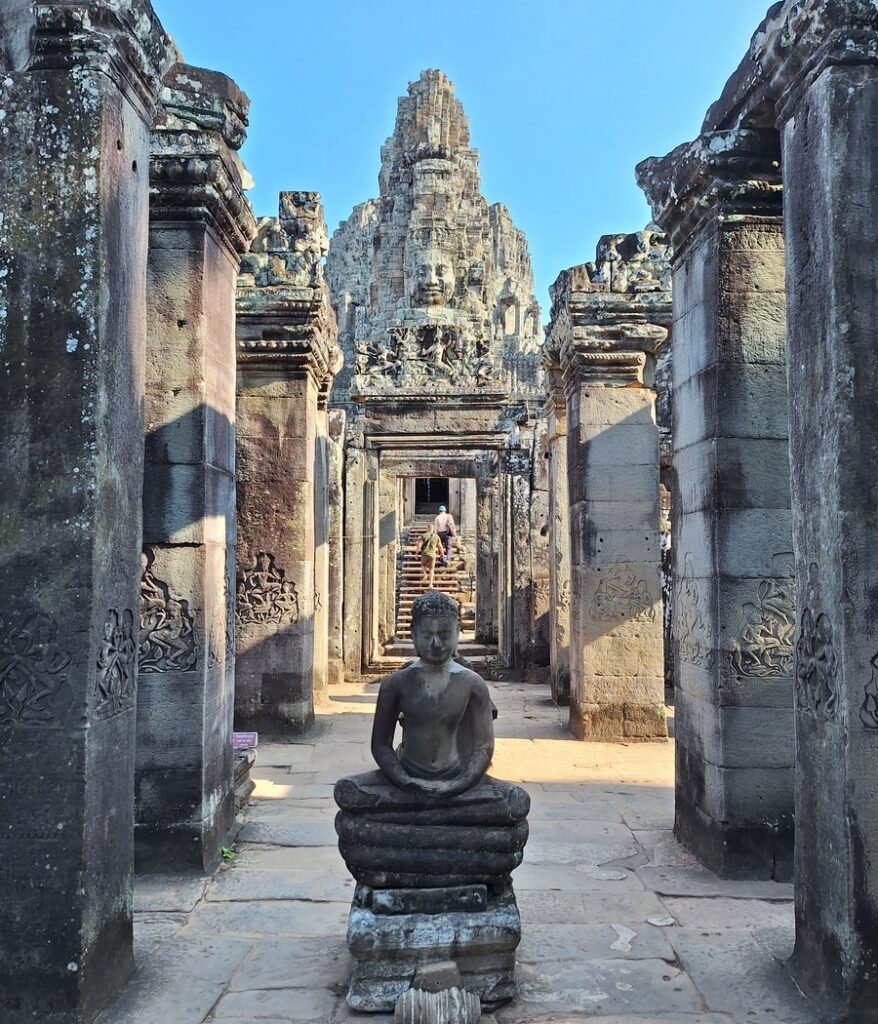
For decades, Siem Reap has been synonymous with Angkor Wat, one of the world’s most iconic cultural landmarks and Cambodia’s most recognized tourism destination. Yet focusing solely on its ancient temples increasingly overlooks a broader transformation taking place across the city. In recent years, Siem Reap has been quietly evolving from a tourism-dependent destination into a modern, livable urban center designed to support long-term economic growth, investment, and quality of life.
The COVID-19 pandemic presented a significant challenge for Siem Reap. While Cambodia avoided the severe public health crisis experienced by many countries, the city’s economy was disproportionately affected by the collapse of international tourism. Rather than delaying development plans, however, local and national authorities used the slowdown as an opportunity to accelerate infrastructure modernization on an unprecedented scale.
Today, that strategy is becoming visible throughout the city.
A Strategic Infrastructure Transformation
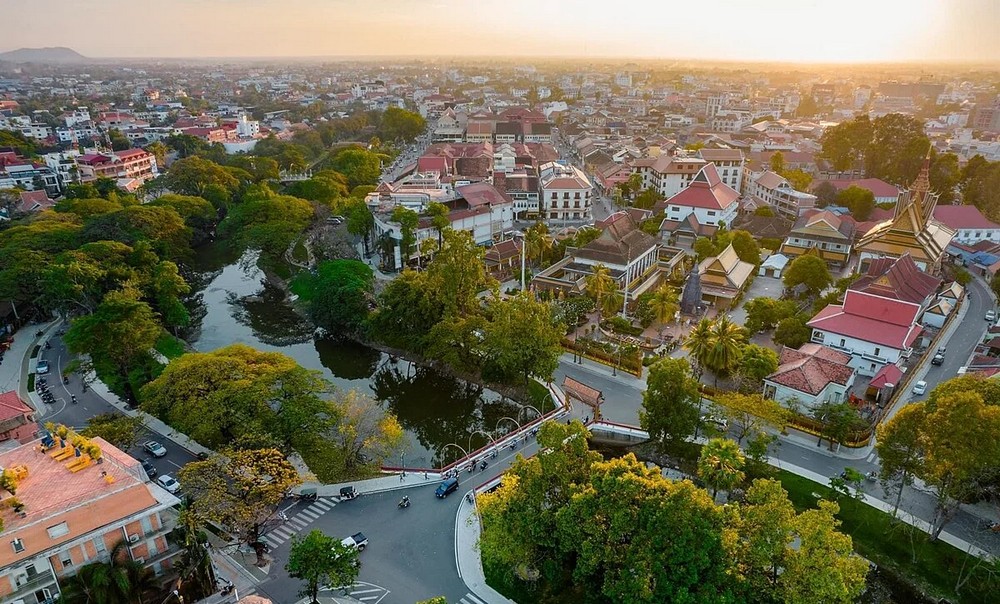
At the heart of Siem Reap’s redevelopment is the ambitious “38 Roads Project,” a comprehensive urban renewal initiative representing approximately US$149 million in public investment.
The project included the resurfacing and reconstruction of 38 roads covering more than 100 kilometers, alongside a complete modernization of the city’s wastewater management system to reduce flooding risks. New pedestrian-friendly sidewalks, dedicated cycling infrastructure, and underground electrical connections have significantly improved both functionality and aesthetics.
The transformation reflects a broader vision for urban development. Rather than focusing exclusively on tourism, city planners prioritized creating a more attractive environment for residents, entrepreneurs, and long-term investors.
The result is a city where mobility, green spaces, and public infrastructure increasingly resemble the urban planning standards found in some of Asia’s most livable secondary cities.
Building a More Connected Regional Hub
Connectivity has long been one of Siem Reap’s competitive advantages, and authorities are working to strengthen that position further.
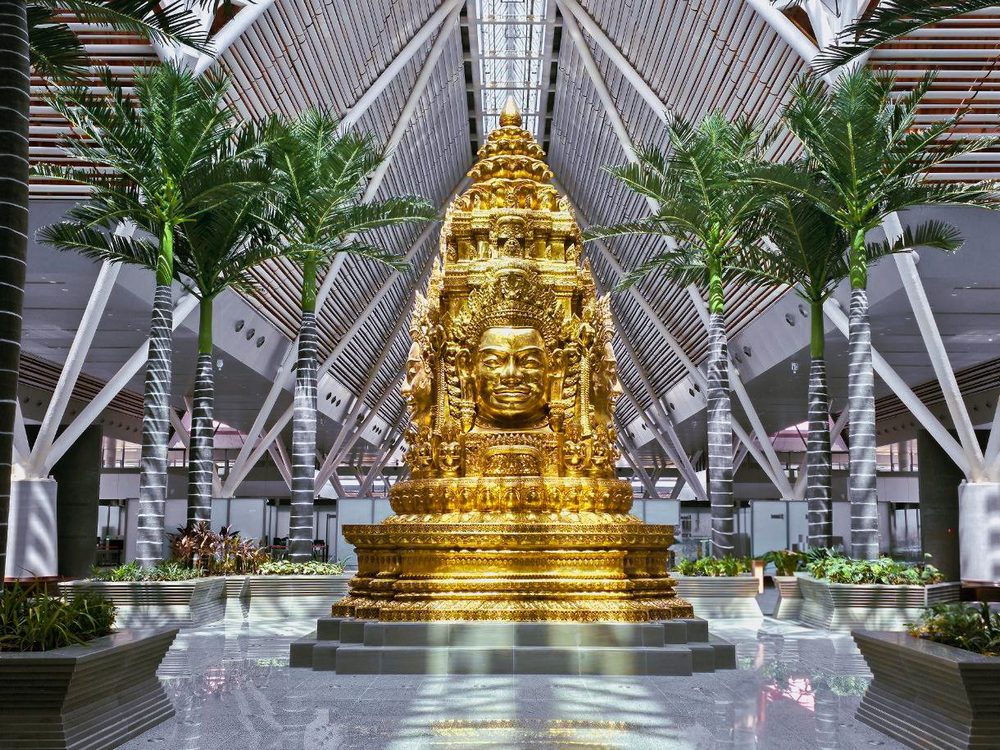
The opening of the new Siem Reap-Angkor International Airport marks one of Cambodia’s largest aviation infrastructure investments in recent years. Developed with an estimated investment of US$880 million, the airport was designed to support substantial future growth in passenger traffic and international connectivity.
Located approximately 40 kilometers from Angkor Wat, the airport occupies a 700-hectare site, with an additional 1,000 hectares designated for future economic development, including a potential special economic zone.
Long-term projections envision passenger volumes reaching 10 million annually by 2030, positioning Siem Reap as one of Southeast Asia’s emerging tourism and transportation gateways.
Improved connectivity is expected not only to benefit tourism but also to support business travel, investment flows, logistics, and regional economic integration.
Diversifying Beyond Tourism
Perhaps the most important aspect of Siem Reap’s evolution is its gradual diversification beyond traditional tourism.
Public and private sector investments are expanding the city’s lifestyle and social infrastructure. New attractions, including a large-scale zoo and aquarium, botanical gardens, and enhanced recreational facilities, are broadening the city’s appeal to residents and visitors alike.
Healthcare infrastructure is also receiving significant attention. A new hospital project supported through cooperation with Japan will add hundreds of beds, emergency services, and specialized medical capabilities, helping improve healthcare accessibility for the region’s growing population.
Meanwhile, future projects under discussion—including improved regional highway connections and expanded Mekong tourism routes—could further strengthen Siem Reap’s role as a strategic economic and cultural hub.
A Model for Sustainable Urban Living
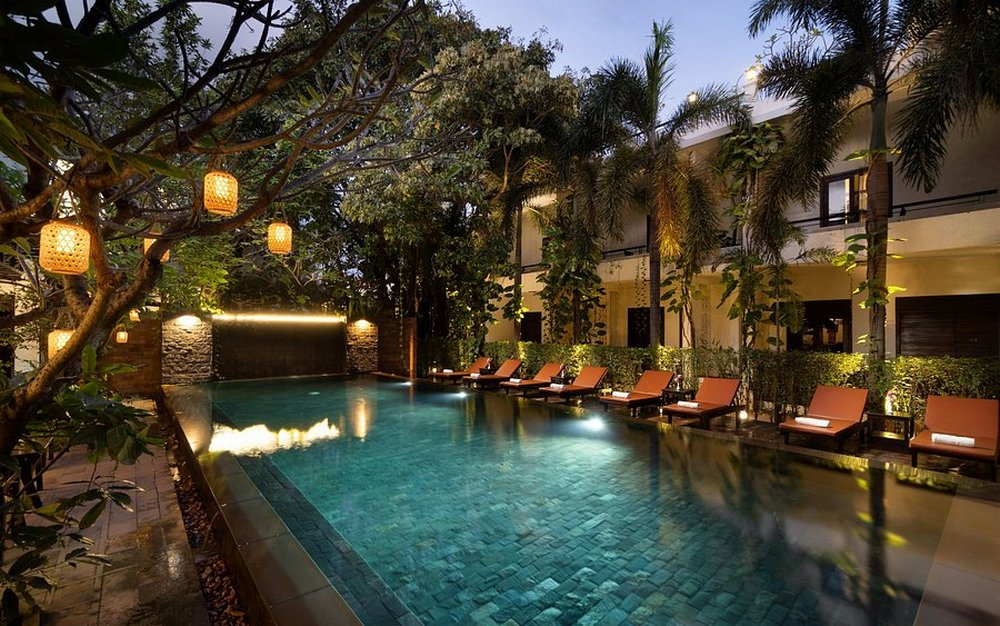
Unlike many rapidly growing cities in Southeast Asia, Siem Reap has embraced a development model centered on sustainability and livability.
Cycling and walking have become practical transportation options rather than recreational activities alone. New bike lanes, pedestrian infrastructure, street lighting, security systems, and urban greening initiatives have contributed to a safer and more accessible city environment.
Thousands of newly planted trees, improved public spaces, and the preservation of the city’s unique character have helped maintain a balance between modernization and environmental quality.
This approach is increasingly attracting not only tourists but also remote professionals, retirees, entrepreneurs, and investors seeking an alternative to the congestion and rising costs associated with larger metropolitan centers.
The Investment Outlook
As Cambodia continues its economic development trajectory, Siem Reap is emerging as one of the country’s most compelling long-term urban growth stories.
The city retains the global brand recognition provided by Angkor Wat while simultaneously investing in the infrastructure, connectivity, healthcare, and lifestyle amenities necessary to support a more diversified economy.
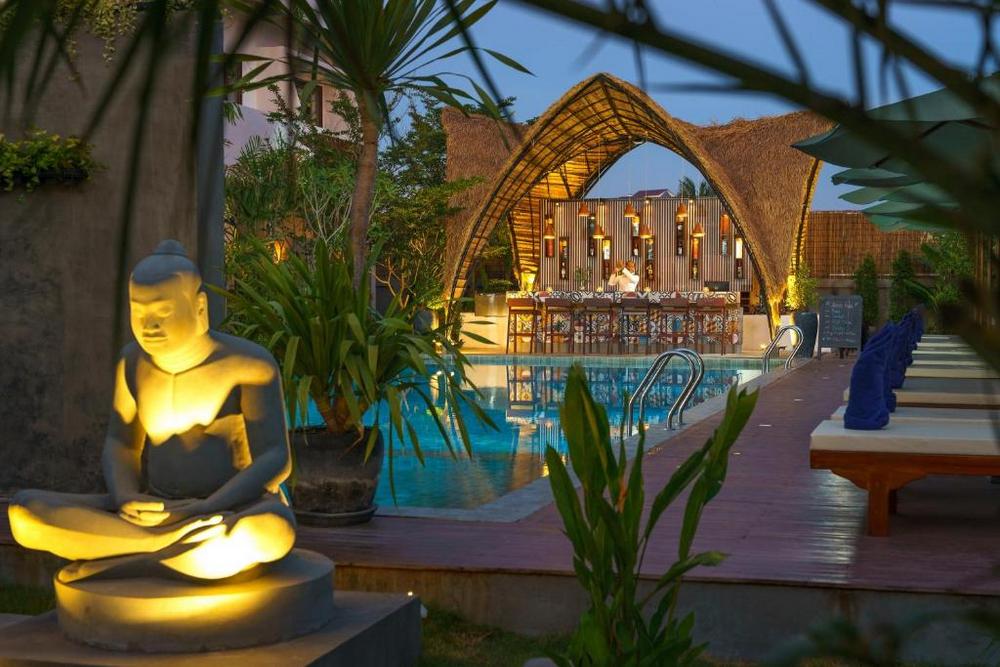
For investors, the transformation offers an opportunity to participate in the evolution of a city that is no longer defined solely by its historical heritage. Instead, Siem Reap is positioning itself as a modern regional center where tourism, quality of life, sustainability, and economic development intersect.
The next chapter of Siem Reap’s story may be less about preserving the past and more about building a future worthy of its global reputation.
Watch this video to understand the vision for Siem Reap today and tomorrow: