
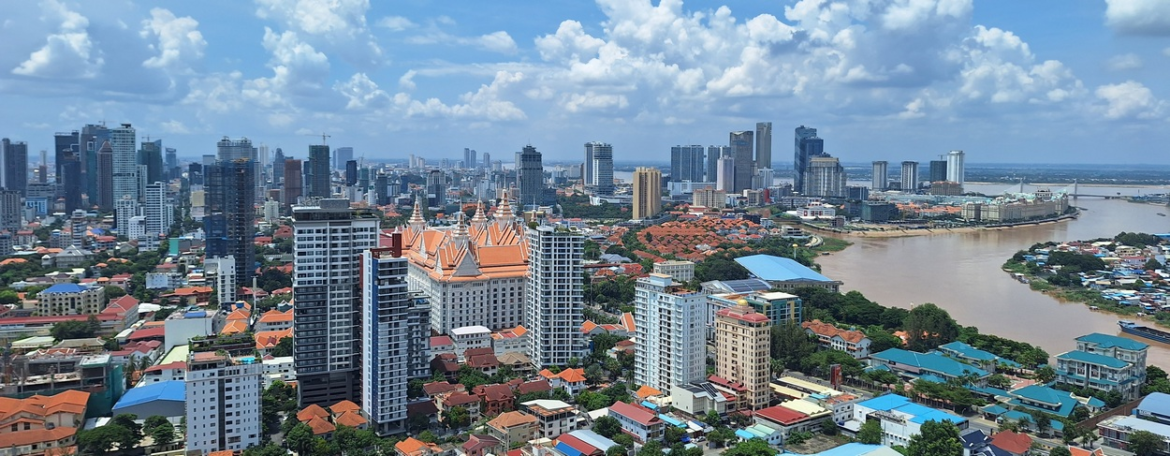
Investing in a condominium or any other property in Cambodia can be a profitable decision, but it's important to conduct the necessary due diligence to avoid any surprises when purchasing.
It's crucial to gather and evaluate all legal documents and information related to the property to understand and identify potential liabilities and make an informed decision.
Part of your due diligence includes conducting some fundamental market research to determine whether the real estate agents represent true professionals. Once you've pieced together the puzzle , watched videos, read content on websites and social media, and you'll immediately understand who you can work with. After all, it's very risky to imagine a transaction with a real estate agent who isn't based in Cambodia and who can't provide after-sales service for your purchased property.
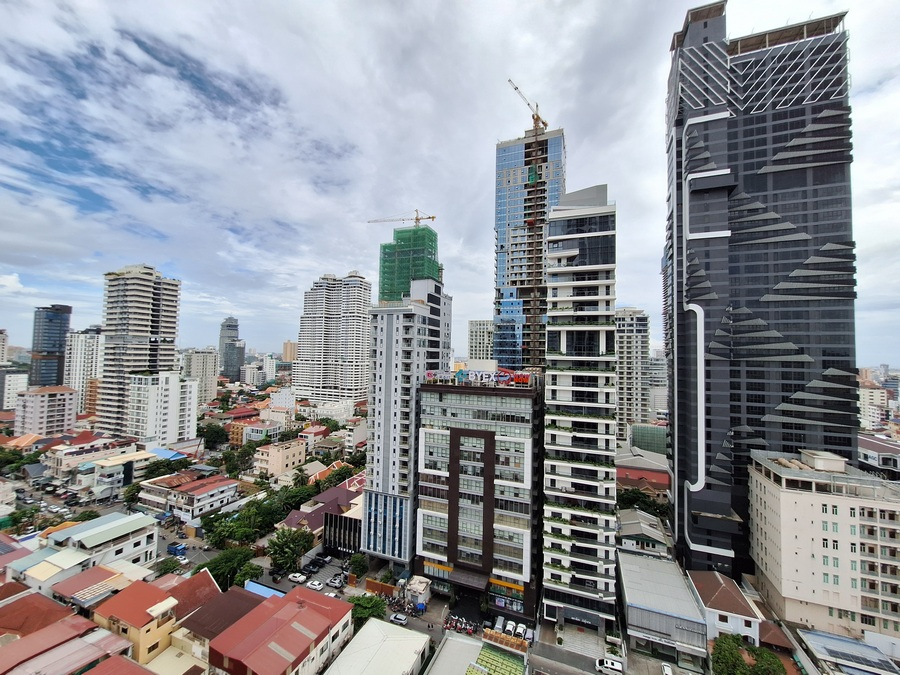
Another important point: webinars for agents and clients are held online on various platforms, meaning you receive professional, reliable information directly from a licensed real estate agency in Cambodia. The webinars cover all investment strategies, provide comprehensive information on properties, whether they're under construction or completed, and provide all the necessary legal support. You'll work with not just one realtor, but a team of market professionals .
Project, agent, and developer check in Cambodia
Make sure the real estate agency is licensed and legally registered in Cambodia, and the developer has all the necessary documents confirming ownership of the land and the building being built on it.
Key points:
- • Has the project received official approval from the Ministry of Land, Urban Planning and Construction (MLMUPC)?
- • Strata Title, is the project certified to allow individual ownership?
- • Does the developer have a proven track record of completing and delivering projects on time?
- • It is also advisable to investigate any public complaints, legal issues or disputes related to the developer.
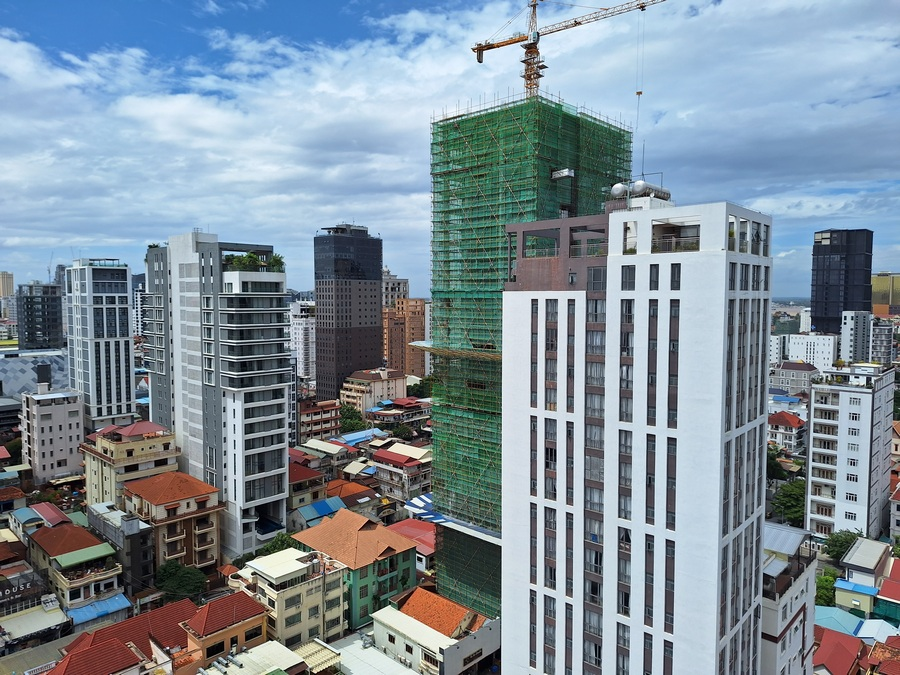
Financial and tax aspects when purchasing real estate
Check whether the reservation fee is refundable and clearly define the payment structure , including deposits , stage payments , and final payment .

Developers are now offering more sophisticated products, improved designs, and more flexible payment plans. These terms can include payment of up to 50% only upon completion to reduce buyer risk during the construction phase and build confidence.

Did you know that capital gains tax for individuals has been deferred until December 31, 2025. When it comes into effect, capital gains tax will be levied at 20% of the profit from the sale or transfer of real estate .

Buyers should ask:
- • What taxes and charges apply, such as stamp duty or VAT?
- • Are payments processed securely across channels?
- • What is included in the sale price: furniture, appliances, and more.
- • Does the developer offer GRR & GBB? Rental demand and guaranteed buyback. What are the yields and conditions? The programs are specified in the contract.
Legal and contractual due diligence
Before signing any agreements, carefully review the Sales and Purchase Agreement (SPA) . It should outline all key elements, such as prices, payment terms, penalties, refund policy, and transfer and ownership terms.

A Sale and Purchase Agreement (SPA) is a contract between a buyer and a seller under which the seller is responsible for providing the buyer with title or other rights to the property being sold.

Please pay special attention to these points :
- • Registration of Strata Title and property rights.
- • Detailed information on current management fees and utility charges.
- • Does the project have a quota for foreign ownership of property?
- • Make sure that your apartment is not located on the first floor; by law, as a foreign citizen, you cannot own real estate on the first floor.
Transfer of ownership of real estate
Upon completion of construction, clarify the terms and responsibilities for the final transfer of ownership :
- • Will you receive a title deed after full payment?
- • Who is responsible for registering the property rights with MLMUPC? (Ministry of Land, Urban Planning and Construction of Cambodia).
- • Are there any guarantees after the transfer of the property and the elimination of defects?
How long does the grace period last and what is it?
During the construction phase, a grace period is a period (usually 6-12 months) after the expected completion date during which the developer is not subject to penalties for delays in handover. This period is stipulated in the sale and purchase agreement (SPA) to account for potential delays, such as delays in government inspections or finalizing lease terms, utility connections, infrastructure handover issues (e.g., water, electricity, or roads), or weather-related impacts on construction, particularly during the monsoon season.