
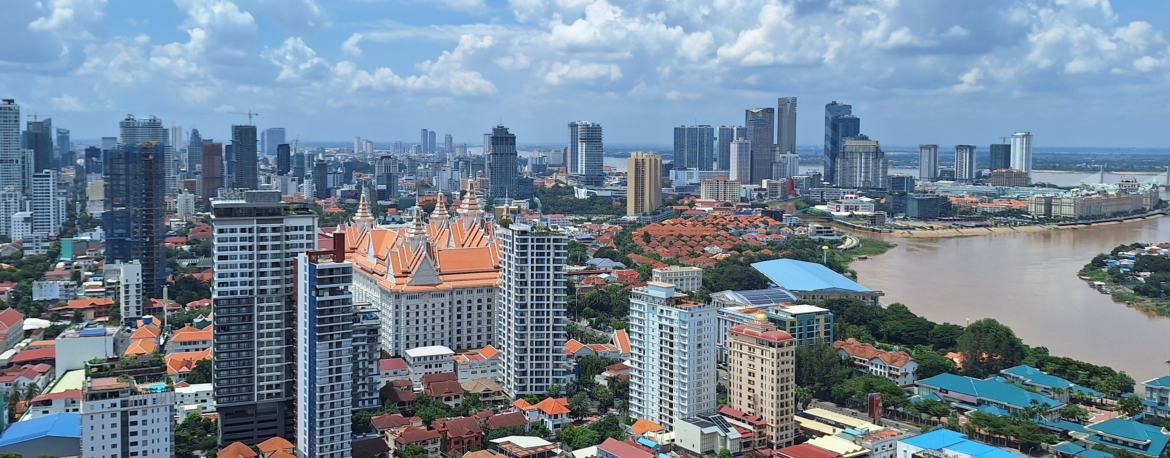
Cambodia is a seismically safe country , a significant advantage for investors and developers. Cambodia is one of the most stable countries in Southeast Asia in terms of natural risks. This means long-term protection of assets, buildings, and infrastructure .
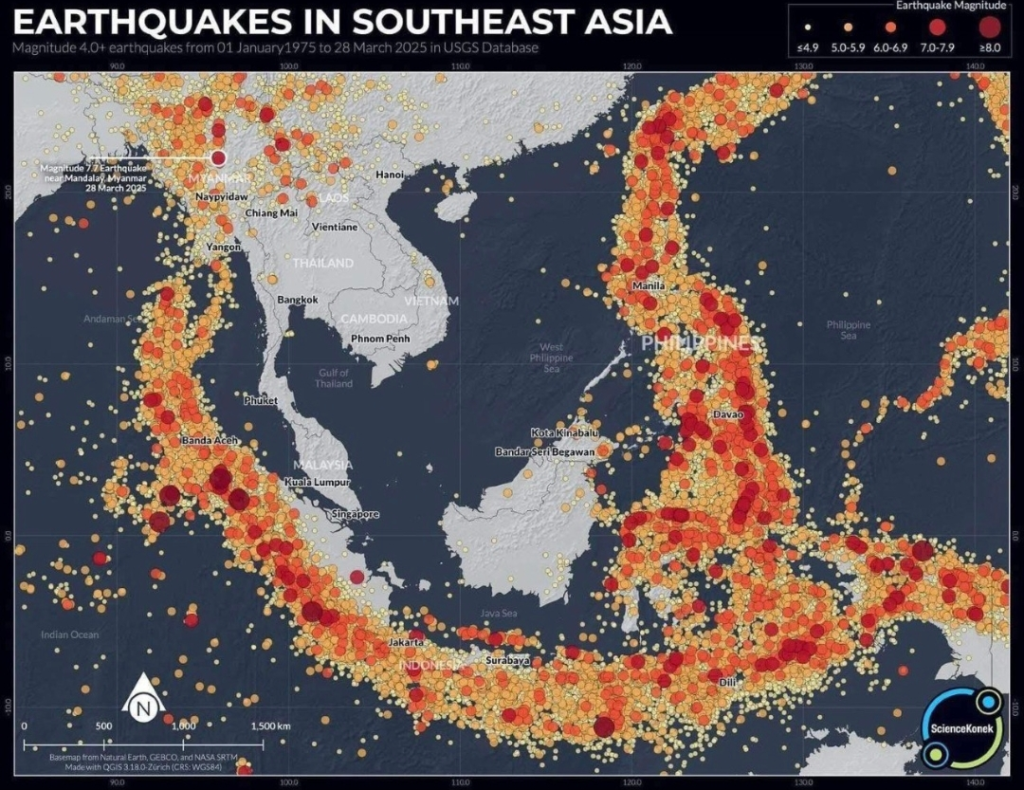
Let’s look at a map of earthquakes over the past 50 years – there are no active faults, the country is located within the stable Indochina Plate, far from the collision zones of tectonic plates – unlike Myanmar, the Philippines and Indonesia.
Geographical protection. Cambodia is surrounded on all sides by land — Thailand, Laos, and Vietnam — which absorb the brunt of natural disasters. Therefore, tsunamis are impossible here, even if a strong offshore earthquake were to strike the region.
In Cambodia, seismic resistance is regulated not by “one single code like the IBC,” but through a combination of:
- → Construction Law → technical regulations → mandatory certification of design/construction solutions.
1. What the state requires (legal framework): The Law on Construction explicitly states that any construction must comply with “building technical regulations,” and compliance must be confirmed by a licensed certifying specialist/company. (urbandatabase.khmerstudies.org)
The law also stipulates that national building technical regulations are approved by sub-decree upon submission by the National Council for Building Technical Regulations (the state body for technical regulation).
Additionally, an inspection and certification procedure is in effect: an inspector/certifier is required to review the design, calculations, and execution of work for compliance with technical regulations and applicable standards. (eurocham-cambodia.org)
Practical meaning: calculations and design undergo official verification/certification, otherwise there is a risk of suspension/sanctions.
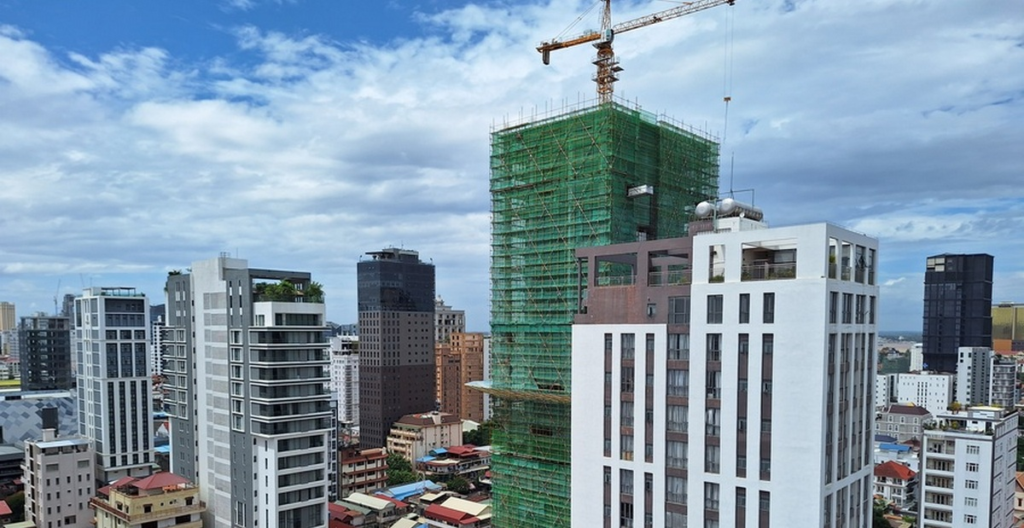
2. Seismic risk assessment by location: For Phnom Penh, international risk maps indicate low seismic hazard, but earthquake loads should still be considered at the calculation stage, especially due to the soil/soft ground conditions. (thinkhazard.org)
3. What standards do engineers actually use in their calculations? While countries in the region often use international standards for seismic calculations, in practice, Eurocode 8 and/or ASCE 7 / UBC approaches are widely used in Southeast Asia (depending on the designer, building type, and investor/insurer requirements). (WCEE)
What is important for our clients?
Seismic resistance in projects is confirmed by a calculation model/design calculation package according to a recognized international standard, and there is a licensed verification/certification within the framework of the requirements of the MLMUPC (the ministry that oversees construction).