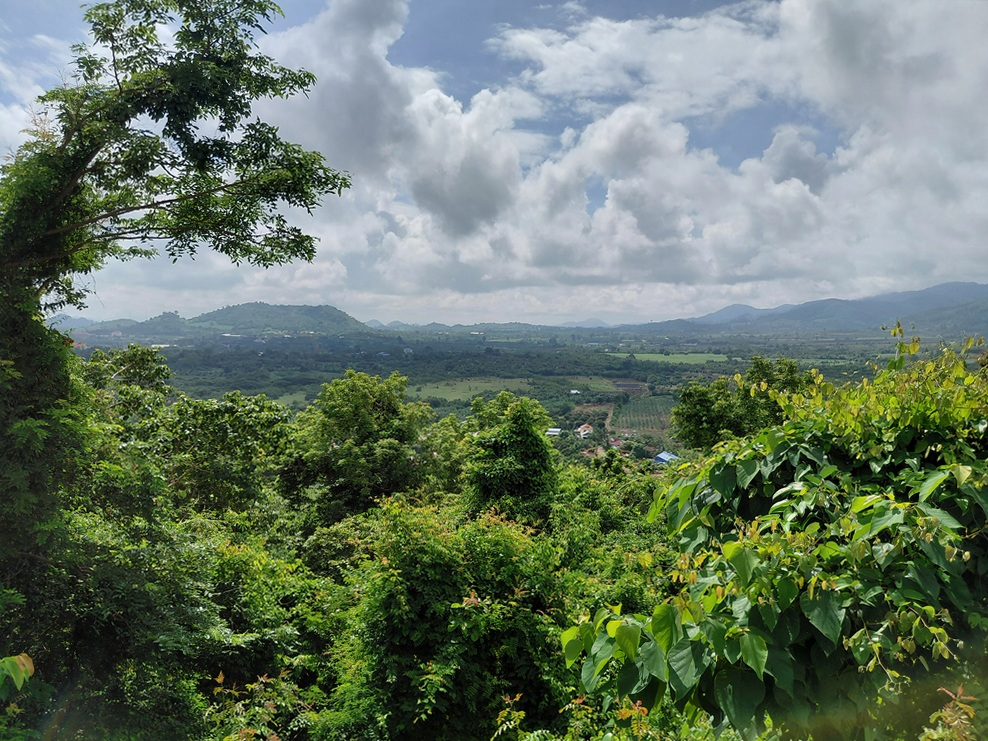
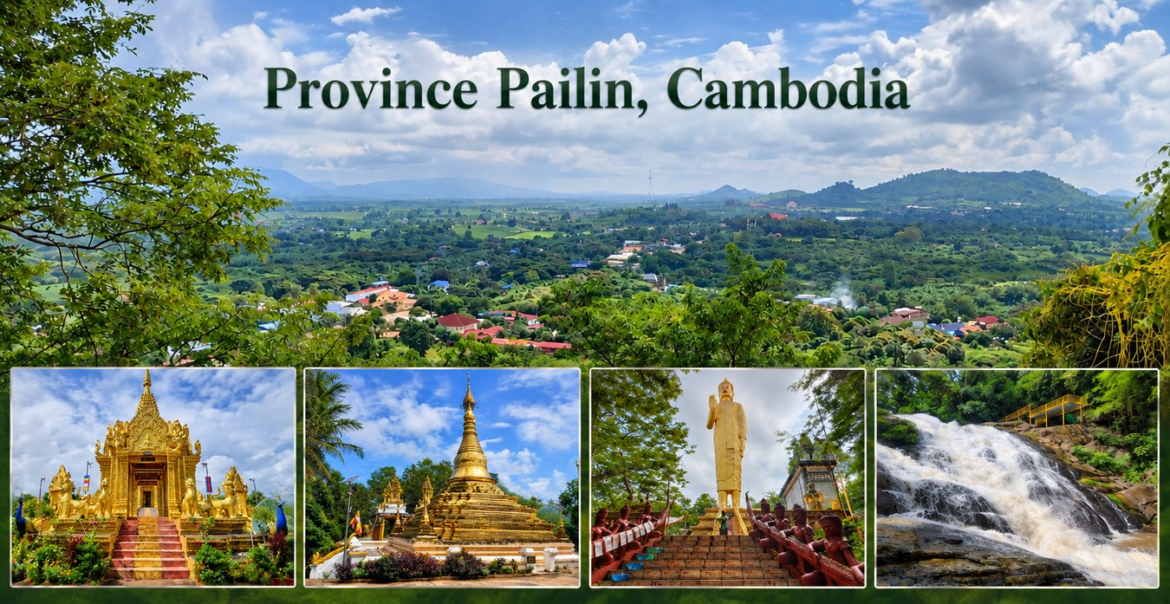
Pailin is a province in western Cambodia, nestled at the northern edge of the Cardamom Mountains near the Thai border. Surrounded by Battambang Province on its Cambodian side, Pailin is known for its rich history, precious gemstones, lush landscapes, cultural diversity, and agricultural traditions.
History and Cultural Heritage
Once part of the Khmer Empire, Pailin later came under Burmese and Siamese rule before becoming part of modern Cambodia. The province also played a significant role in Cambodia’s recent history as one of the last strongholds of the Khmer Rouge.
In 2008, King Norodom Sihamoni signed a Royal Decree granting Pailin provincial status. Today, Pailin is developing its identity as a destination for tourism, agriculture, trade, and investment.
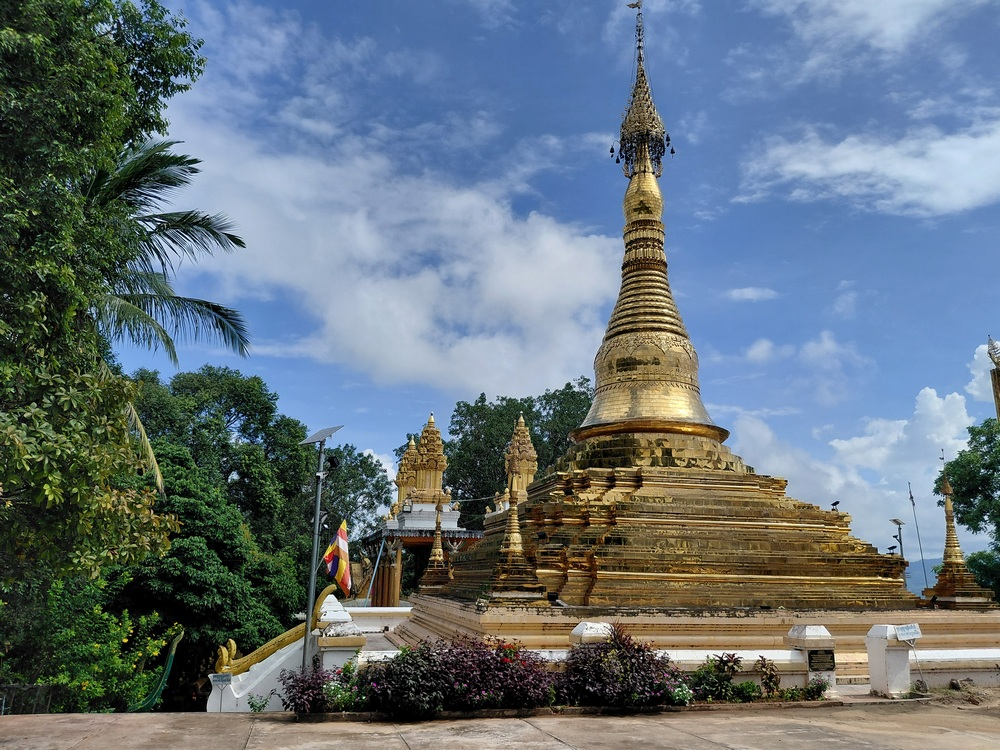
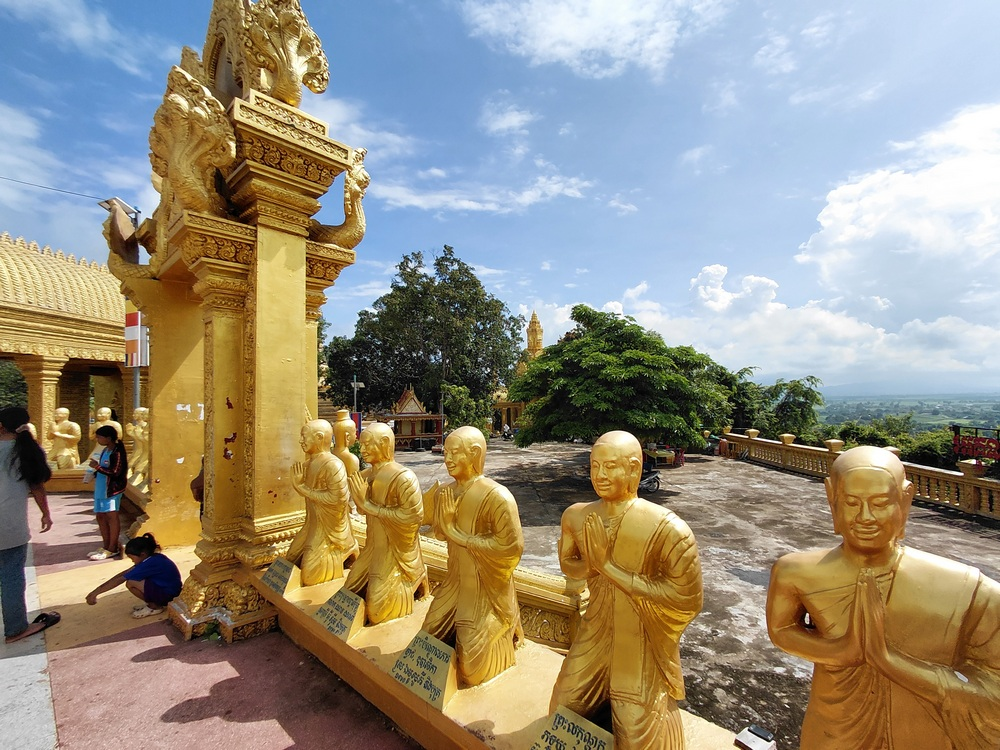
Wat Phnom Yat: The Spiritual Heart of Pailin
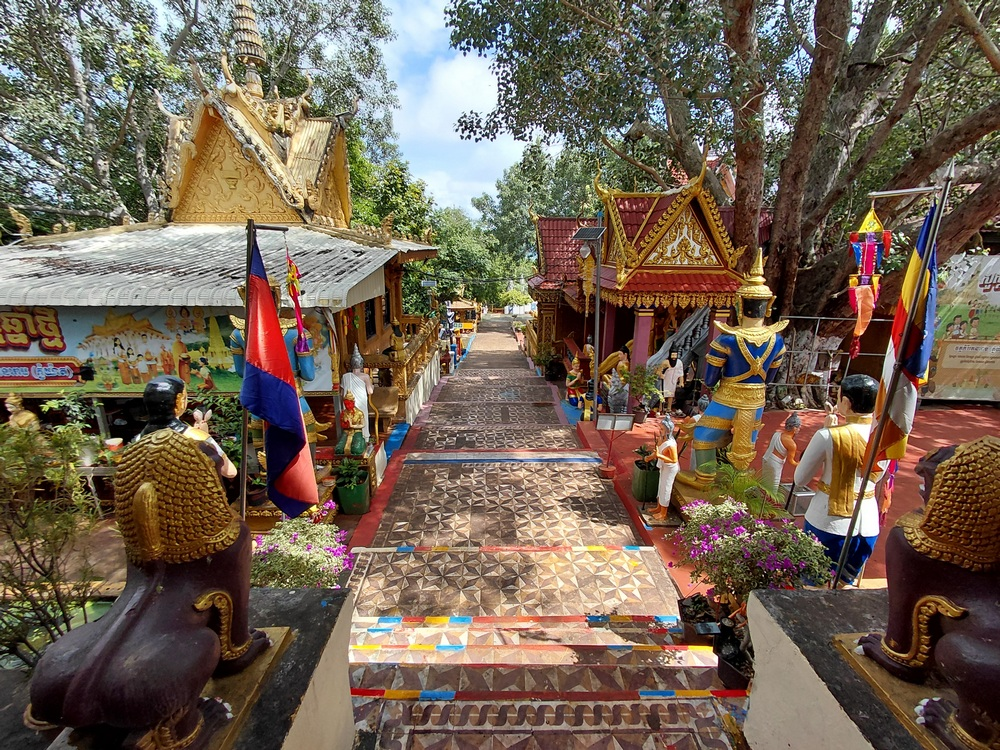
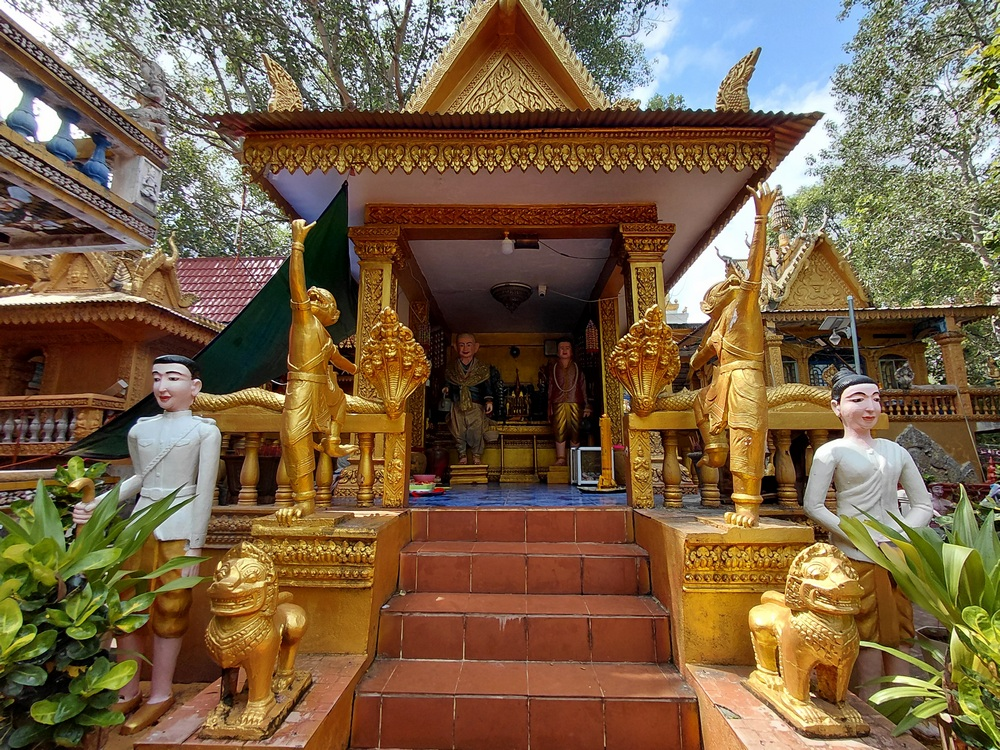
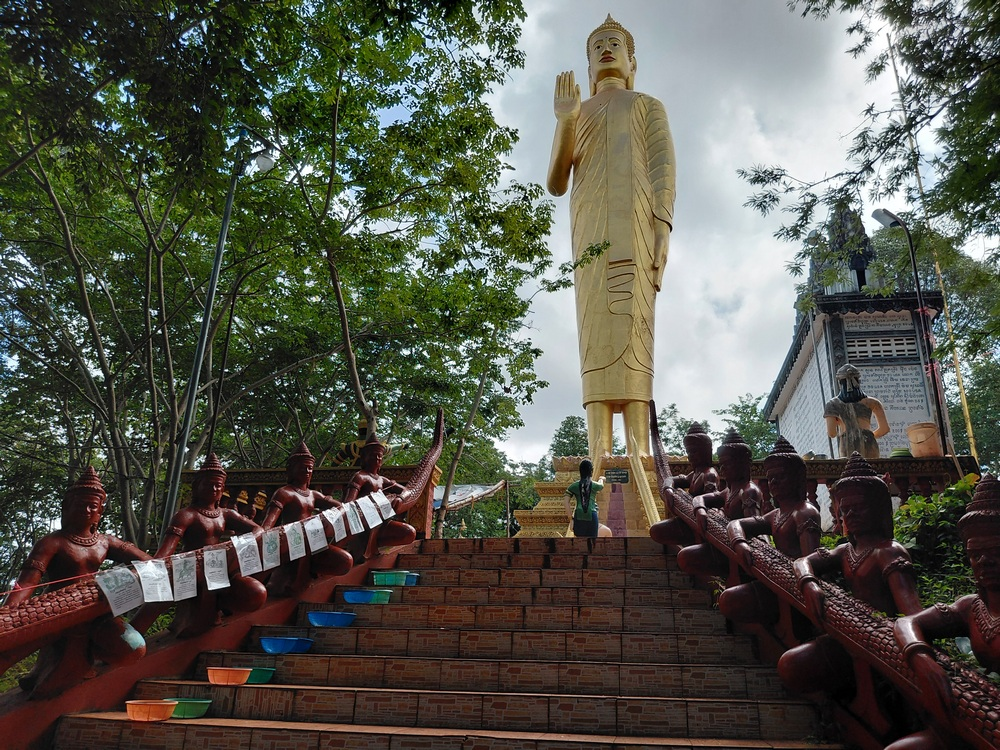
One of the province’s most important landmarks, Wat Phnom Yat was established by Shan migrants from Myanmar in 1922. Located on a sacred hill overlooking Pailin City, the temple complex covers approximately 30,000 square meters.
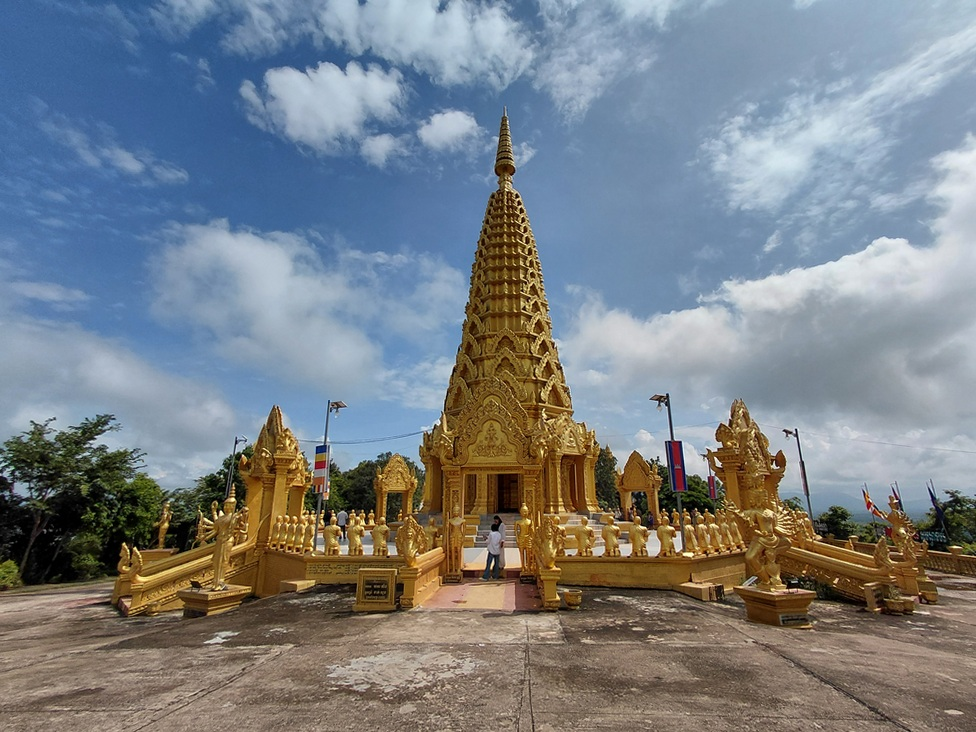
With its distinctive architecture, spiritual significance, and panoramic views, Wat Phnom Yat remains a symbol of Pailin’s cultural heritage and a popular destination for visitors.
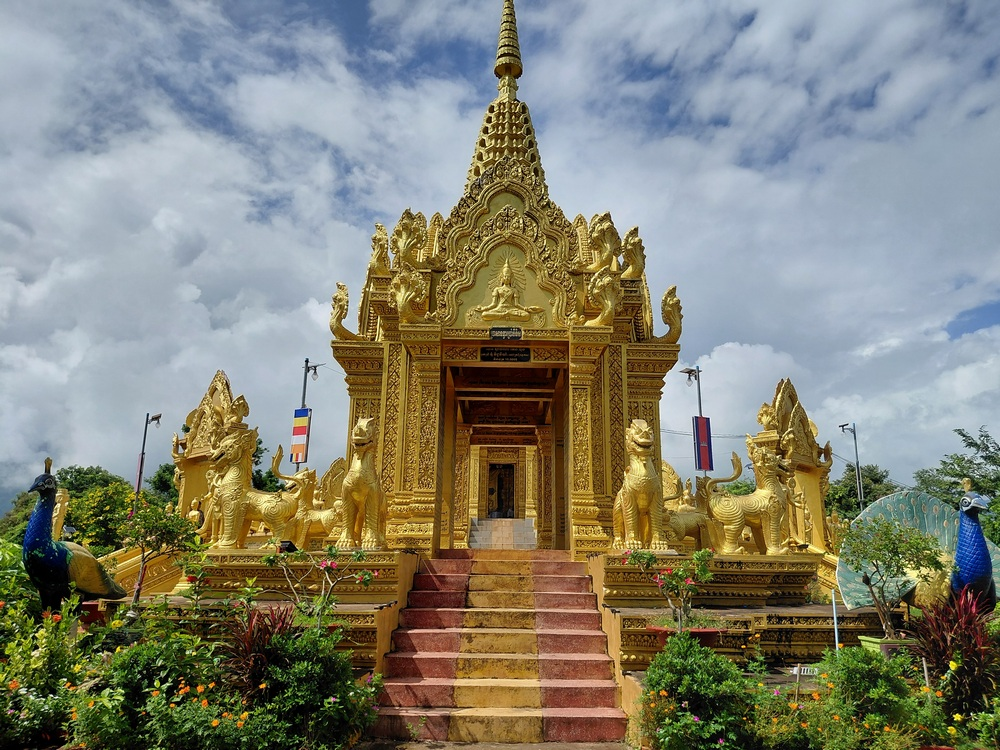
The Eight Doors Pagoda is another religious attraction reflecting the province’s diverse cultural traditions.
Economy and Natural Resources
Historically, Pailin was famous for its gemstone mining and timber industry. Although intensive mining and logging depleted many natural resources, the province continues to offer opportunities in agriculture, tourism, hospitality, and cross-border trade.
Its strategic location near Thailand provides potential for regional commerce and international business cooperation.
Agriculture and Pailin Longan
Agriculture is an important part of Pailin’s economy. The province’s upland terrain supports the cultivation of maize, cassava, sesame, soybeans, and other commercial crops.
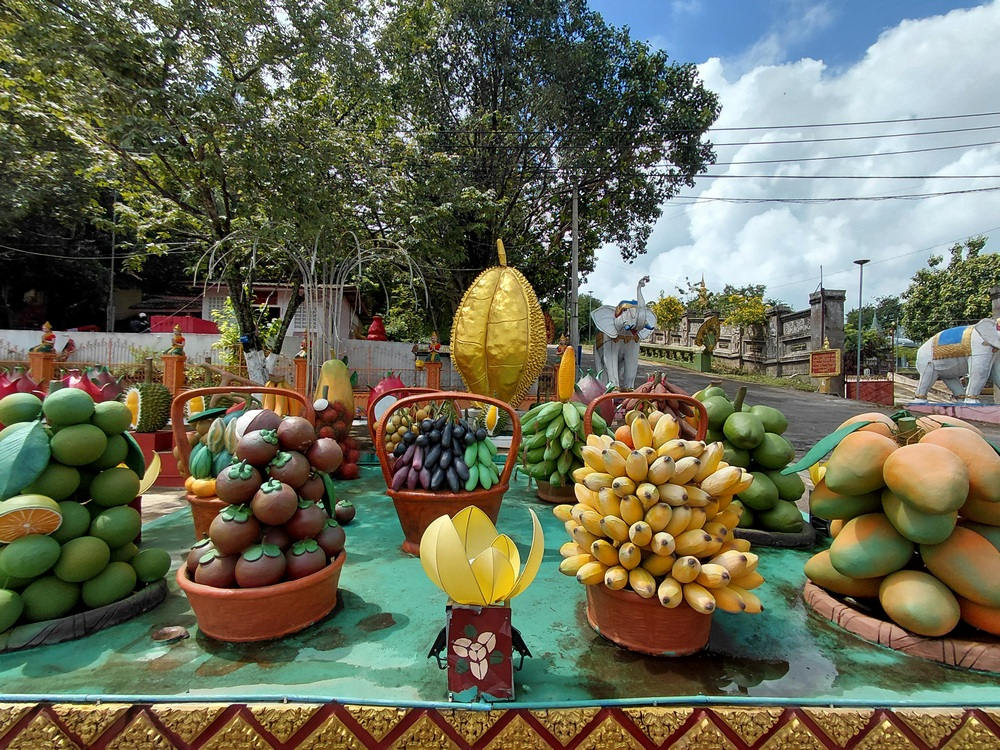
Pailin is particularly famous for its delicious longan fruit, celebrated for its exceptional sweetness and delicate aroma. Traditionally harvested between August and December, longan has become one of the province’s signature agricultural products.
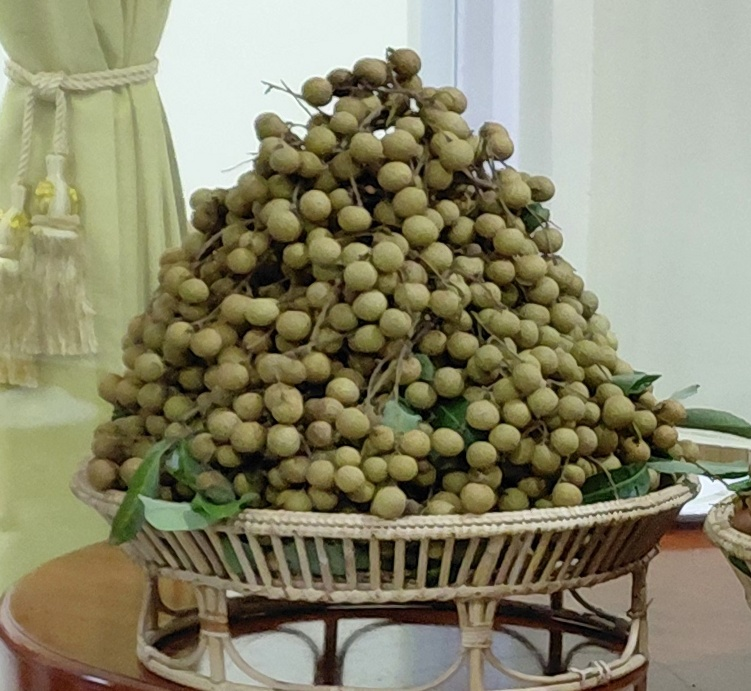
Longan is also used to produce traditional fruit wine, creating additional opportunities for local food processing and agricultural development.
Pailin’s cultural identity reflects a unique combination of Khmer, Shan, Burmese, and Thai influences. These traditions are visible in its cuisine, architecture, festivals, traditional clothing, and local languages.
This cultural diversity makes Pailin an attractive destination for travelers interested in Cambodia’s history and authentic local experiences.
Nature and Tourism
Wat Phnom Yat and the Eight Doors Pagoda. Discover Pailin’s spiritual heritage, distinctive architecture, and scenic hilltop views.
- Samlot Waterfall – explore the natural beauty of western Cambodia, surrounded by lush forests and mountainous landscapes.
- O’Tavao Waterfall – Enjoy a peaceful natural setting, ideal for relaxation and photography.
- Phnom Keuy Resort and Blue Mountain Waterfalls – Experience the region’s mountain scenery and opportunities for nature-based tourism.
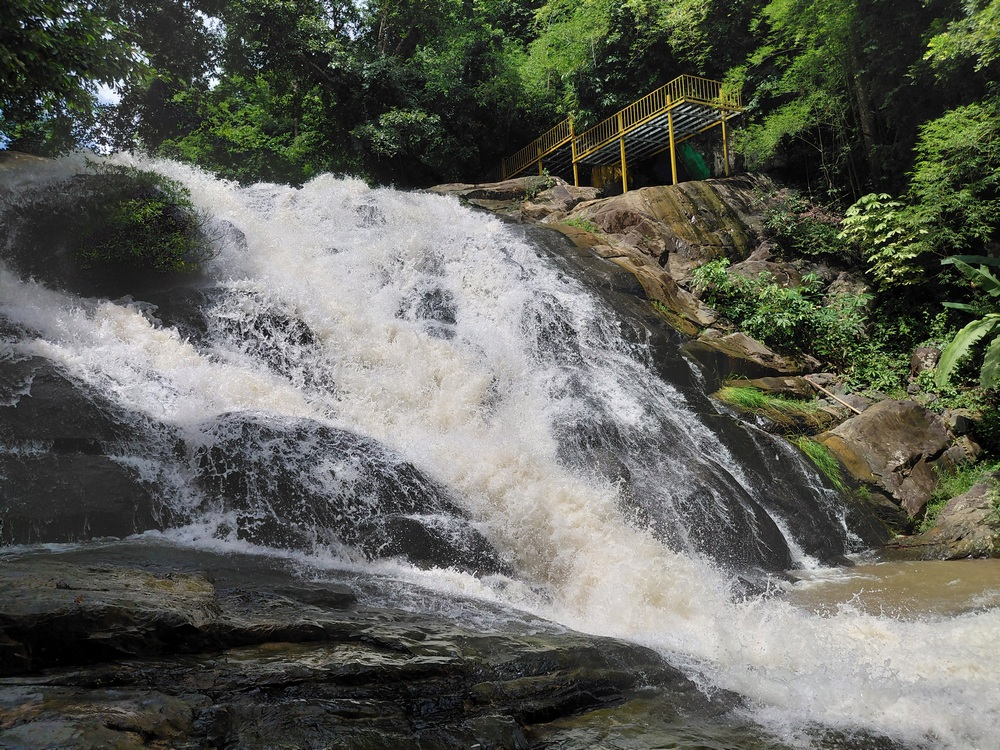
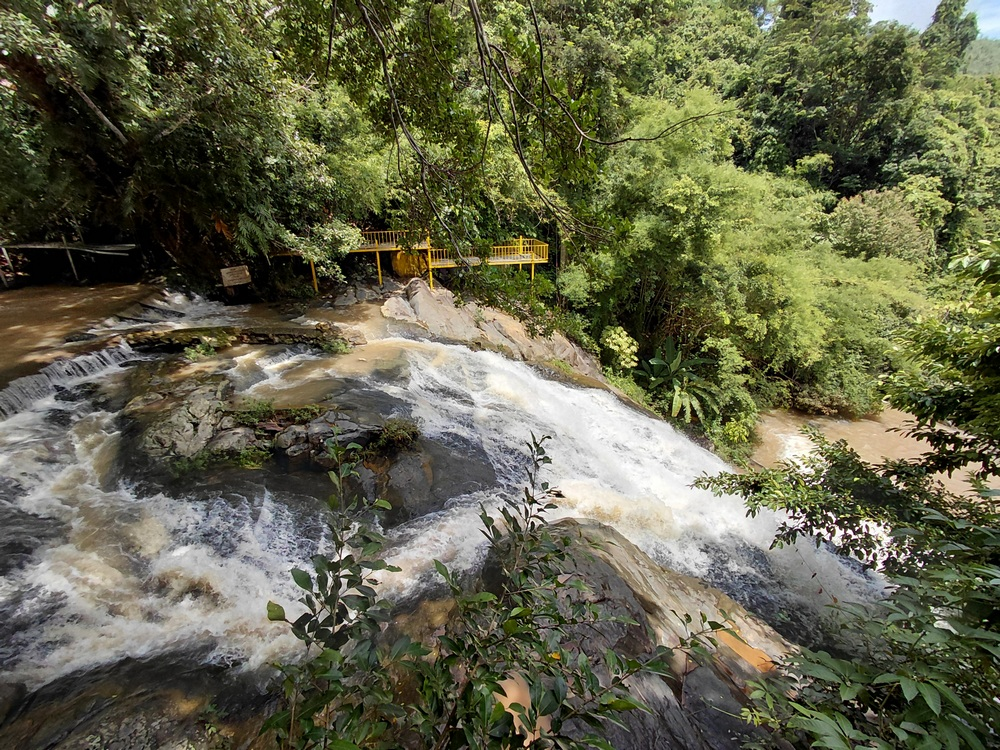
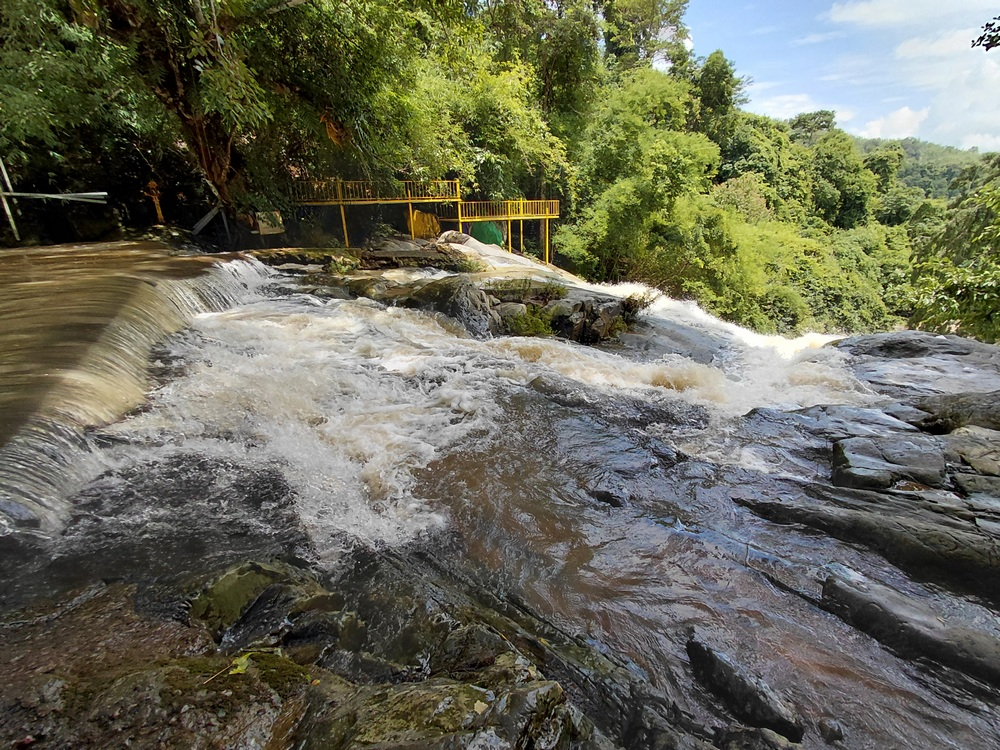
The best time to visit Pailin is between October and February, when cooler temperatures and pleasant weather create excellent conditions for sightseeing and outdoor activities.
Pailin: A Province of Opportunity
With its beautiful natural environment, rich cultural heritage, agricultural resources, and strategic location near Thailand, Pailin offers promising opportunities for sustainable tourism, hospitality, agriculture, and investment.
At the moment, the border remains closed, and both the business communities and ordinary citizens of Cambodia and Thailand are looking forward to its reopening. Open borders mean more than just movement — they create opportunities for trade, investment, tourism, cooperation, and stronger connections between people. We hope to see the border reopen soon and a new chapter of growth and cooperation begin for both countries.
Discover Pailin — a hidden gem of western Cambodia, where history, nature, and new opportunities come together.