
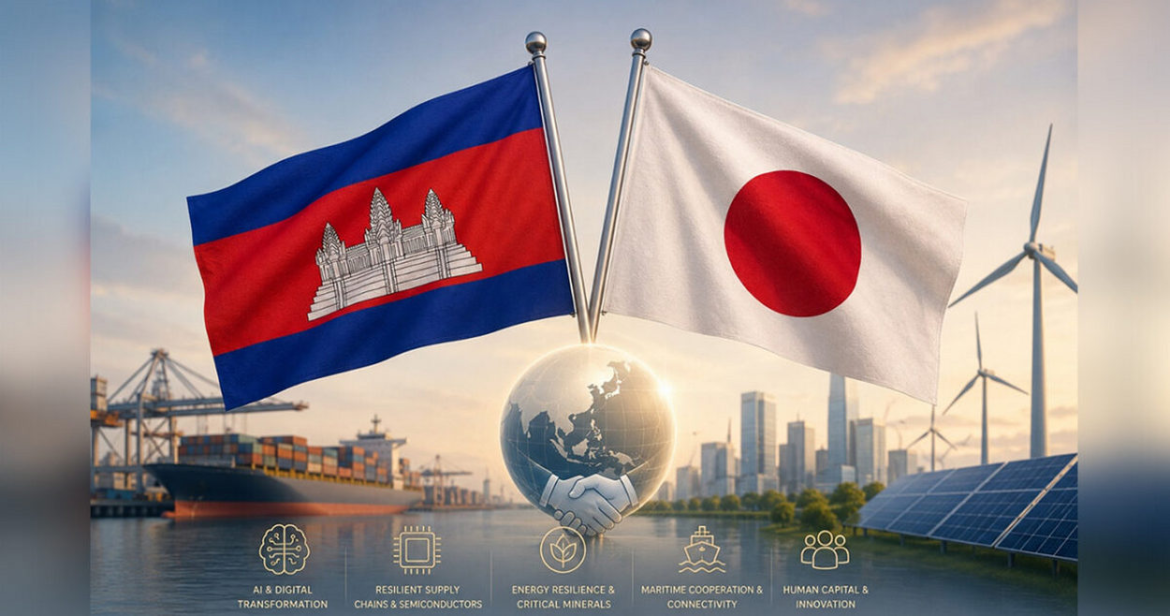
Japan’s latest foreign and economic policy initiatives are reshaping the strategic and economic architecture of the Indo-Pacific. Through its updated Free and Open Indo-Pacific (FOIP) strategy, the Asia Zero-Emission Community (AZEC), expanded economic-security cooperation and deeper regional partnerships, Tokyo is placing technology, supply-chain resilience, energy security and sustainable development at the center of its long-term regional vision.
For Cambodia, these developments should not be interpreted primarily through the prism of geopolitical rivalry. More importantly, they represent a growing set of economic and technological opportunities that could help accelerate the country’s transition toward becoming a high-income economy by 2050.
At the heart of Japan’s evolving regional strategy lies a clear emphasis on advanced technology and AI-driven economic infrastructure. Artificial intelligence, cloud computing, cybersecurity, digital finance, smart logistics and data governance are rapidly becoming the foundations of future economic competitiveness. Nations capable of integrating these technologies into their economic systems will likely dominate the next phase of global growth.
For Cambodia, this transition comes at a critical moment
Over the past two decades, the country has achieved significant economic progress through export-oriented manufacturing, construction, tourism and foreign direct investment. However, sustaining long-term growth will increasingly require moving beyond development models based largely on low-cost labor and labor-intensive industries. Cambodia’s next phase of development will depend on its ability to build a more innovation-driven and knowledge-based economy.
This is where Japan’s strategic priorities align closely with Cambodia’s national interests
Japan’s growing focus on trusted digital infrastructure, technological cooperation and human resource development creates opportunities for Cambodia to accelerate its own digital transformation. Cooperation in areas such as e-government systems, AI training, smart cities, fintech, cybersecurity and e-commerce could help strengthen Cambodia’s institutional capacity and economic competitiveness.
Japanese expertise in high-quality infrastructure development and technology management may also support Cambodia’s efforts to modernize public administration, improve efficiency and strengthen service delivery across both public and private sectors.
Equally important is the issue of human capital
Digital transformation is not simply about infrastructure or technology acquisition. It also requires a workforce capable of adapting to rapidly changing technological demands. Cambodia therefore faces an urgent need to strengthen technical education, digital literacy, vocational training, research capacity and innovation ecosystems.
Partnerships with Japan in science, technology and higher education could play a significant role in helping Cambodia prepare its young workforce for the digital economy.
Another important pillar of Japan’s regional strategy is supply-chain resilience and semiconductor cooperation
Recent global disruptions — from the pandemic to geopolitical tensions — have exposed vulnerabilities in concentrated manufacturing networks. As major economies seek to diversify production bases and reduce strategic dependencies, Southeast Asia is increasingly emerging as an alternative manufacturing destination.
Although Cambodia is unlikely to become a semiconductor producer in the near term, it can still benefit from this transformation by integrating into supporting industries such as electronics assembly, logistics services, industrial manufacturing and regional supply-chain operations.
Cambodia’s geographic position within ASEAN, combined with improving transport connectivity and industrial infrastructure, could strengthen its role as a complementary production and logistics hub in the region.
However, attracting long-term investment in these sectors will require continued reforms. Infrastructure quality, energy reliability, regulatory transparency, workforce skills and productivity growth will become increasingly decisive factors in determining Cambodia’s competitiveness.
Energy security represents another area where Japan’s evolving regional engagement may create strategic opportunities for Cambodia
Through the AZEC framework, Japan is promoting a pragmatic approach to energy transition — one that attempts to balance environmental sustainability, economic growth and energy stability. For developing economies like Cambodia, this balance is especially important.
As electricity demand continues to rise alongside industrial expansion and urbanization, Cambodia faces the dual challenge of maintaining affordable energy access while also advancing climate and sustainability goals.
Cooperation with Japan in renewable energy, energy efficiency, smart-grid systems and sustainable infrastructure development could help Cambodia strengthen its long-term energy resilience. Participation in emerging green industrial supply chains may also create new opportunities for domestic industries and foreign investment.
Maritime connectivity and logistics modernization form another critical dimension of regional cooperation
As Cambodia becomes more integrated into regional and global trade networks, efficient logistics and secure maritime routes will become increasingly essential to economic growth. A strong example of successful cooperation is the continued modernization of the Sihanoukville Autonomous Port, Cambodia’s only deep-sea international port.
For years, Japan — particularly through JICA — has supported the port’s expansion through concessional financing, technical assistance and container terminal development projects. These investments have strengthened Cambodia’s trade connectivity and improved the country’s logistics capacity, while also supporting broader industrial and economic modernization efforts.
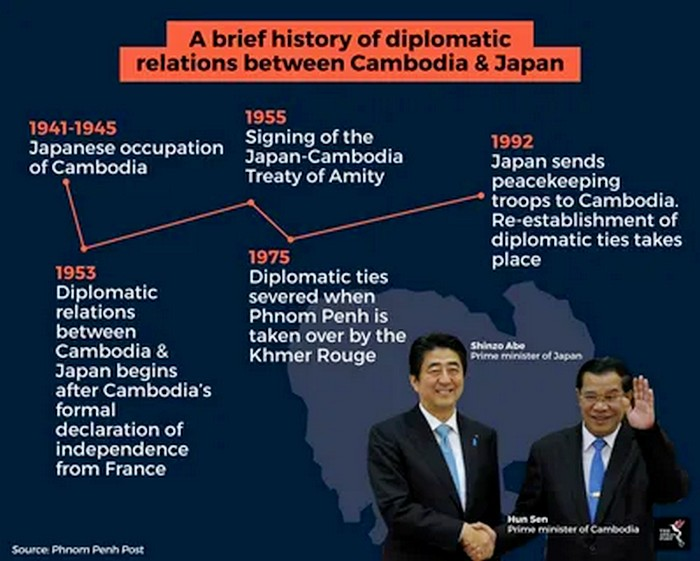
Importantly, Cambodia’s engagement with Japan’s initiatives should not be viewed as a departure from its long-standing foreign policy principles.
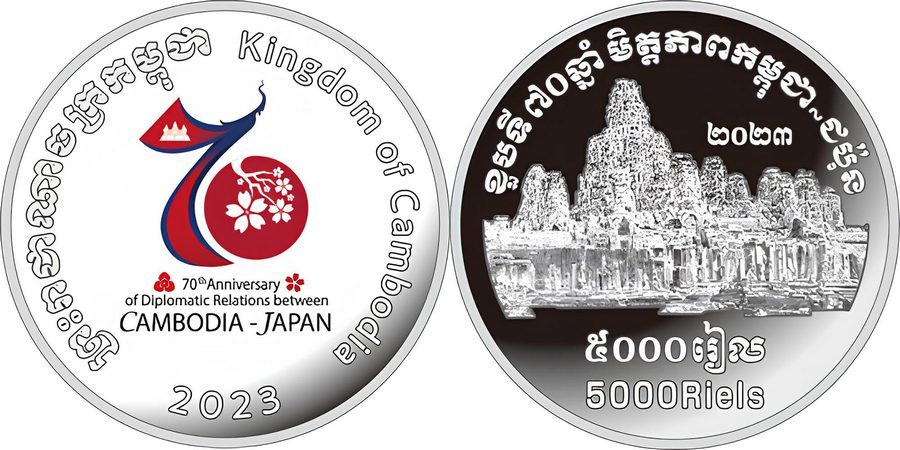
Cambodia continues to pursue an independent and balanced foreign policy based on mutual respect, non-interference, sovereign equality and mutually beneficial cooperation. Strengthening ties with Japan does not come at the expense of relations with other major partners.
As a small state operating within an increasingly complex geopolitical environment, Cambodia has consistently emphasized multilateralism, strategic neutrality and diversified partnerships. The country maintains constructive engagement with ASEAN member states, China, Japan, South Korea, the United States, the European Union and other international partners.
This diversified approach remains essential in an era marked by growing geopolitical fragmentation and economic uncertainty. Ultimately, Cambodia’s ambition to become a high-income country by 2050 will require far more than sustained GDP growth alone. It will require technological upgrading, stronger institutions, modern infrastructure, improved human capital and greater resilience to global economic shifts.
Japan’s evolving priorities in digital transformation, supply-chain resilience, sustainable energy and regional connectivity offer Cambodia an opportunity to accelerate this transition. If approached strategically and pragmatically, these partnerships could help Cambodia strengthen its long-term competitiveness, economic resilience and position within the emerging Indo-Pacific economy.